Growing a Shopify store from the ground up requires strategic planning, especially in the highly competitive digital landscape.
To stand out, you need to invest in methods that drive traffic, increase engagement, and convert visitors into customers.
Fortunately, there are multiple ways to effectively promote your Shopify store, leveraging both organic and paid strategies to boost sales.
In this guide, we’ll walk through the most effective ways how to promote shopify store, focusing on digital marketing strategies that target U.S. advertisers.
Whether you’re just starting or looking to scale, these methods can help you maximize visibility and drive revenue.
Disclosure: We earn a commission if you make a purchase at no additional cost to you. You can read our affiliate disclosure in our privacy policy.
1. Optimize Your Shopify Store for SEO
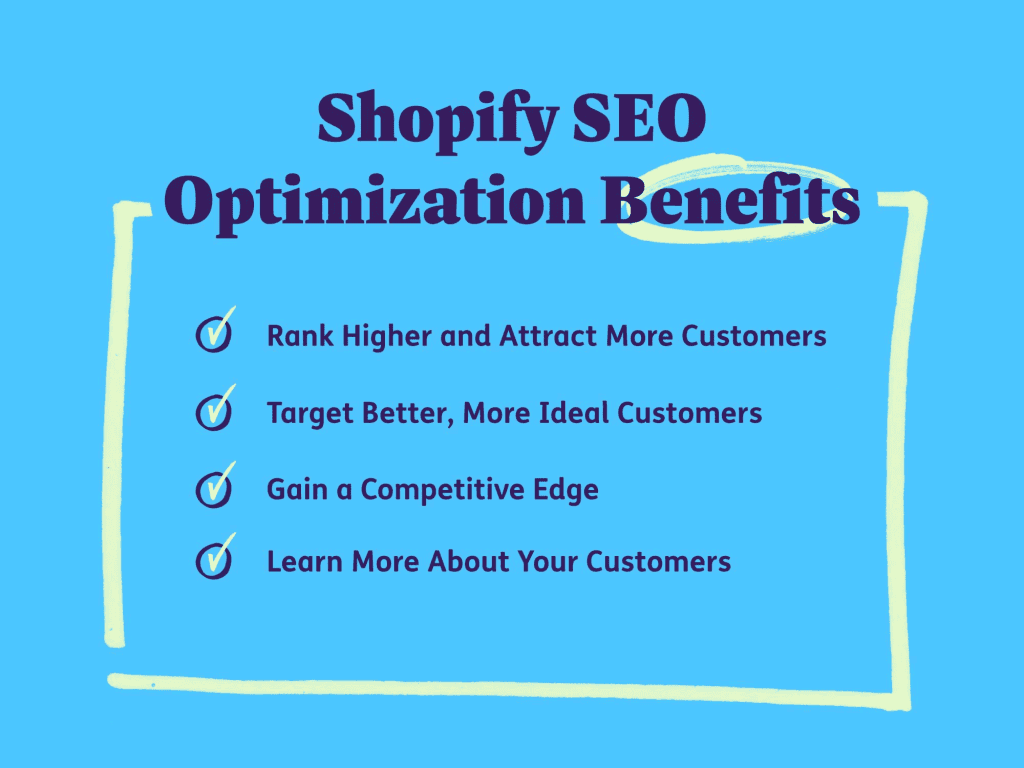
Search engine optimization (SEO) is one of the most powerful ways to promote your Shopify store. By optimizing your store’s content and structure, you can ensure that potential customers can easily find your products when they search online.
Key SEO Best Practices:
- Keyword Research: Use tools like Google Keyword Planner or Ahrefs to identify relevant keywords for your products. Focus on long-tail keywords that reflect purchase intent.
- Optimize Product Descriptions: Ensure product descriptions are informative and include targeted keywords naturally.
- Use Meta Tags: Craft compelling meta titles and descriptions for every product and page on your site.
- Mobile Optimization: Ensure your site is mobile-friendly as search engines prioritize mobile-optimized websites.
- Image Alt Text: Optimize all images with descriptive alt text to improve your ranking in Google Images.
An SEO-optimized store is essential because it creates a foundation for organic traffic. While SEO takes time to produce results, it remains a critical long-term investment.
2. Leverage Social Media Marketing

Social media platforms like Instagram, Facebook, and Pinterest offer direct access to a massive audience. As a Shopify store owner, social media provides an opportunity to showcase products, engage with customers, and build your brand’s identity.
Social Media Strategies:
- Create Shoppable Posts: Use Facebook and Instagram’s native shopping features to enable direct purchases from social posts.
- Influencer Collaborations: Partner with influencers whose audiences align with your products to amplify your reach.
- User-Generated Content: Encourage customers to share photos and reviews of your products on social media and reshare them on your platforms.
- Consistent Posting Schedule: Stay active and consistent with content posting to keep your brand top of mind for followers.
Social media marketing works well when integrated with other advertising strategies, and it is highly effective for building brand awareness and driving traffic.
3. Invest in Paid Advertising

If you’re looking to accelerate growth, paid advertising can significantly amplify your efforts. Paid ads allow you to target specific audiences and showcase your products to people who are most likely to make a purchase.
Paid Advertising Channels:
- Google Ads: Use Google Shopping Ads to appear at the top of search results when users search for products similar to yours.
- Facebook and Instagram Ads: Create dynamic ads tailored to specific audiences based on interests, behaviors, or previous interactions with your store.
- Connected TV (CTV) Advertising: Leverage advertising on connected TV to reach consumers via streaming services. By targeting specific demographics through platforms like Roku or Hulu, you can enhance brand awareness and potentially drive more traffic to your Shopify store.
- Programmatic Advertising: Programmatic advertising automates ad buying and delivers ads to your target audience based on their behaviors. This method optimizes your ad spend and ensures your promotions reach the right customers.
Paid advertising offers fast results, making it ideal for time-sensitive promotions or new product launches.
4. Email Marketing to Engage and Retain Customers
Email marketing is one of the most cost-effective channels for driving repeat sales and fostering customer loyalty. With the right email strategy, you can keep your customers engaged and encourage them to return to your Shopify store.
Email Campaign Types:
- Welcome Series: Send new subscribers a welcome email series that introduces your brand and highlights your best-selling products.
- Cart Abandonment Emails: Recover lost sales by sending reminders to customers who leave items in their carts.
- Product Recommendations: Use customer purchase history to send personalized product recommendations.
- Seasonal Promotions: Run special sales during holidays or seasonal events and notify your email list with exclusive offers.
Email marketing provides an opportunity to build relationships with customers while encouraging repeat purchases.
5. Content Marketing to Build Authority and Trust
Content marketing helps you establish authority in your industry while educating and engaging potential customers. A well-executed content marketing strategy can generate organic traffic, improve SEO, and boost conversions.
Content Ideas:
- Blog Posts: Write informative articles related to your products, such as “how to promote Shopify store” or tutorials on using your items. Include relevant keywords and internal links to product pages.
- Video Content: Create video demonstrations or tutorials on YouTube or social media, explaining how your products solve specific problems.
- Product Guides: Offer comprehensive guides or downloadable e-books that provide value and build trust with your audience.
- Customer Testimonials: Highlight customer success stories through blog posts or case studies.
Content marketing, when paired with SEO, can enhance your online visibility and drive long-term engagement with your audience.
6. Utilize Influencer Marketing
Influencer marketing connects your Shopify store with influential figures who can endorse your products to their loyal audiences. Influencers can drive significant traffic and sales by showcasing your products in a relatable way.
How to Work with Influencers:
- Choose the Right Influencers: Ensure that the influencers you partner with have followers who match your target market.
- Negotiate Collaborations: Set clear terms for the collaboration, such as how many posts will be created and the type of content (e.g., videos, stories, photos).
- Provide Discount Codes: Give influencers unique discount codes for their audience to encourage conversions and track performance.
- Leverage Micro-Influencers: Consider partnering with micro-influencers (with smaller but highly engaged audiences) to reach more niche markets at a lower cost.
Influencer marketing is especially effective in building credibility and driving sales among niche audiences.
7. Offer Discounts, Sales, and Special Promotions
Everyone loves a good deal, and offering special promotions can give potential buyers the final nudge they need to complete a purchase.
Promotion Ideas:
- Seasonal Sales: Run sales during key shopping periods like Black Friday, Cyber Monday, or holiday seasons.
- Free Shipping Offers: Customers are more likely to complete their purchases when free shipping is included.
- Limited-Time Discounts: Create a sense of urgency by offering time-sensitive promotions.
- Bundle Deals: Encourage customers to buy more by offering product bundles at a discounted rate.
Promotions not only help increase sales but also allow you to attract new customers.
8. Implement Performance Marketing Strategies
Performance marketing focuses on driving measurable results, such as conversions, leads, or clicks. It’s a data-driven approach to advertising that ensures your marketing efforts are generating a solid return on investment (ROI).
Performance Marketing Tactics:
- Affiliate Marketing: Partner with affiliates who promote your store in exchange for a commission on sales.
- Retargeting Ads: Show ads to users who have previously visited your Shopify store but did not make a purchase.
- Influencer Performance Campaigns: Pay influencers based on the sales they drive rather than a flat fee.
Performance marketing helps ensure that every dollar spent on advertising contributes to your bottom line.
9. Analyze Your Data for Continuous Improvement
To make informed marketing decisions, you need to track and analyze your store’s performance regularly. Understanding which strategies are working allows you to optimize your campaigns and improve future results.
Metrics to Track:
- Conversion Rate: The percentage of visitors who make a purchase.
- Customer Lifetime Value (CLV): The total value a customer brings to your store over time.
- Cost Per Acquisition (CPA): The cost of acquiring a new customer.
- Return on Ad Spend (ROAS): The revenue generated for every dollar spent on advertising.
Analyzing these metrics will help you optimize your marketing efforts and increase profitability.
Conclusion
Promoting your Shopify store for sales requires a comprehensive marketing strategy incorporating multiple channels and tactics. From SEO and social media marketing to performance marketing and connected TV advertising, various ways exist to attract customers and drive revenue.
You can continually grow your store’s visibility and profitability by staying data-driven and adapting your approach.
Whether you’re looking to optimize for organic traffic or leverage paid advertising, these methods will help you understand how to promote Shopify store effectively for long-term success.